


How Powersports Battery Warranty Works: 2026 Guide
A powersports battery warranty is a formal guarantee that covers defect-based failures and abnormal performance within a set timeframe or ownership term. Understanding how powersports battery warranty works keeps you from losing money on a claim that gets denied for a reason buried in the fine print. Most riders assume a warranty means the battery is covered for its entire useful life. It does not. Standard powersports warranties cover manufacturing and material defects only, typically for 12 to 36 months, with premium options extending further. Knowing the difference between defect coverage and service life protection is the single most valuable thing you can take from this guide.
How powersports battery warranty works: coverage and exclusions
Battery warranty coverage is defined as protection against manufacturing defects and abnormal performance failures. That means a battery that arrives with a bad cell, holds far less capacity than rated from day one, or fails without any user error is covered. What is not covered is a longer list.
Warranties exclude normal capacity degradation over time, physical damage, water immersion, overcharging, BMS bypass, and any modifications to the vehicle’s electrical system. These exclusions are not negotiable. A manufacturer’s warranty is a strict legal agreement, and common electrical modifications to your ATV, motorcycle, or UTV can void it entirely.
The practical distinction is this: defect coverage protects you from the factory’s mistakes. It does not protect you from the battery wearing out naturally or from damage you cause. Riders who understand this distinction file better claims and win more of them.
What warranties typically cover:
- Manufacturing defects in materials or workmanship
- Abnormal voltage or capacity failure not caused by user action
- Premature failure within the stated warranty period under normal use conditions
What warranties typically exclude:
- Normal aging and capacity degradation over time
- Physical damage from drops, crashes, or water immersion
- Overcharging or use with an incompatible charging system
- Sulfation from prolonged discharge or improper storage
- Vehicle modifications that alter the charging circuit
Pro Tip: Read the exclusions section of your warranty document before you need it, not after. Most claim denials trace back to a clause the owner never read.
How long do powersports battery warranties last?
Standard warranty periods run 12 to 36 months for AGM and lithium batteries, with some premium manufacturers extending coverage to 10 years. Bansheebatteries backs its AGM batteries with a 4-year warranty and its lithium marine batteries with a 5-year warranty. Both figures sit well above the industry standard and reflect the confidence that comes from over 20 years of manufacturing experience.
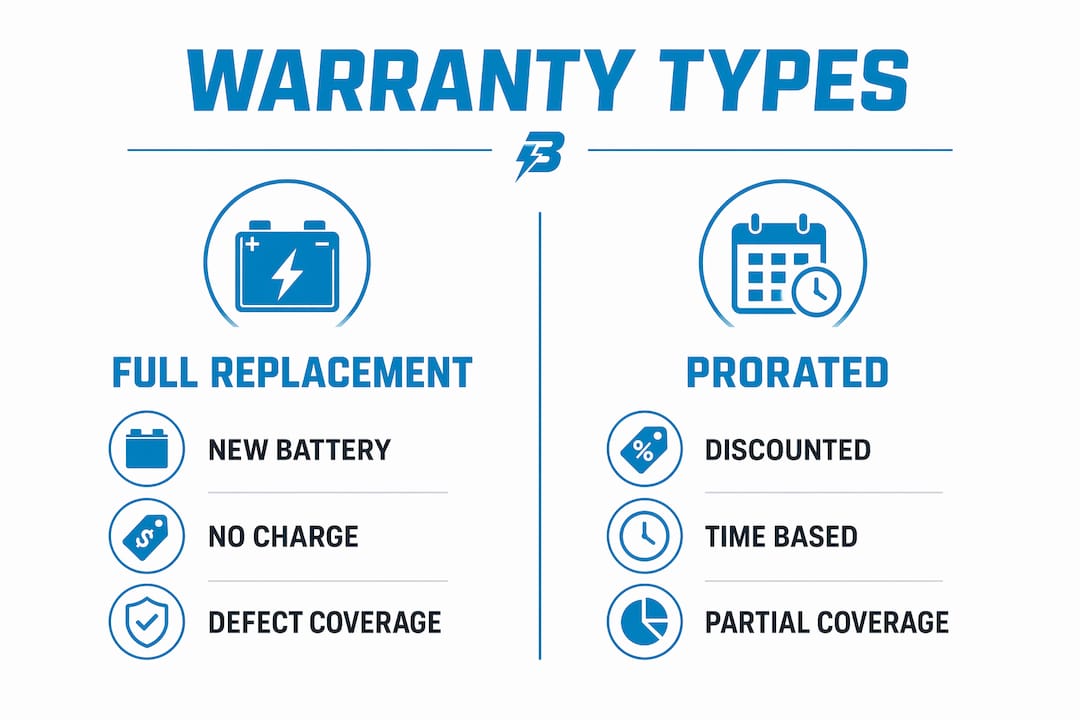
Beyond standard limited warranties, two other types matter for powersports owners.
Full replacement warranties provide a brand-new battery at no charge when a covered defect is confirmed. Full replacement coverage is the superior option. Most first-time buyers confuse it with prorated coverage and end up with the weaker plan.
Prorated warranties offer a discount on a replacement battery based on how much time remains in the warranty period. If your battery fails at month 20 of a 36-month prorated warranty, you pay a portion of the replacement cost. The longer you wait to file, the less value you receive.
Lifetime or service contract programs cover battery replacement for the full ownership duration of the vehicle. These programs typically include a 180-day waiting period before coverage activates and cap replacement costs at around $500 per occurrence. Maintenance compliance is usually required to keep the coverage active.
| Warranty type | Coverage structure | Best for |
|---|---|---|
| Standard limited | 12–36 months, defects only | Most powersports buyers |
| Extended premium | Up to 10 years, defects only | High-use or commercial riders |
| Full replacement | New battery at no charge | Owners who want maximum protection |
| Prorated | Discounted replacement by time remaining | Budget-conscious buyers |
| Lifetime/service contract | Ownership duration, with conditions | Long-term vehicle owners |
Pro Tip: Always ask whether a warranty is full replacement or prorated before you buy. That single question can save you hundreds of dollars if the battery fails in year two.
What is the process for claiming a powersports battery warranty?
Filing a warranty claim correctly is as important as having coverage in the first place. A poorly documented claim gets denied even when the defect is real. Follow these steps to give your claim the best chance of approval.
-
Review your warranty terms. Confirm the battery is still within the coverage period and that your situation matches a covered defect. Check for any maintenance requirements you were supposed to meet.
-
Gather your purchase documentation. You need proof of purchase with the date, the retailer’s name, and the battery model number. No documentation means no claim.
-
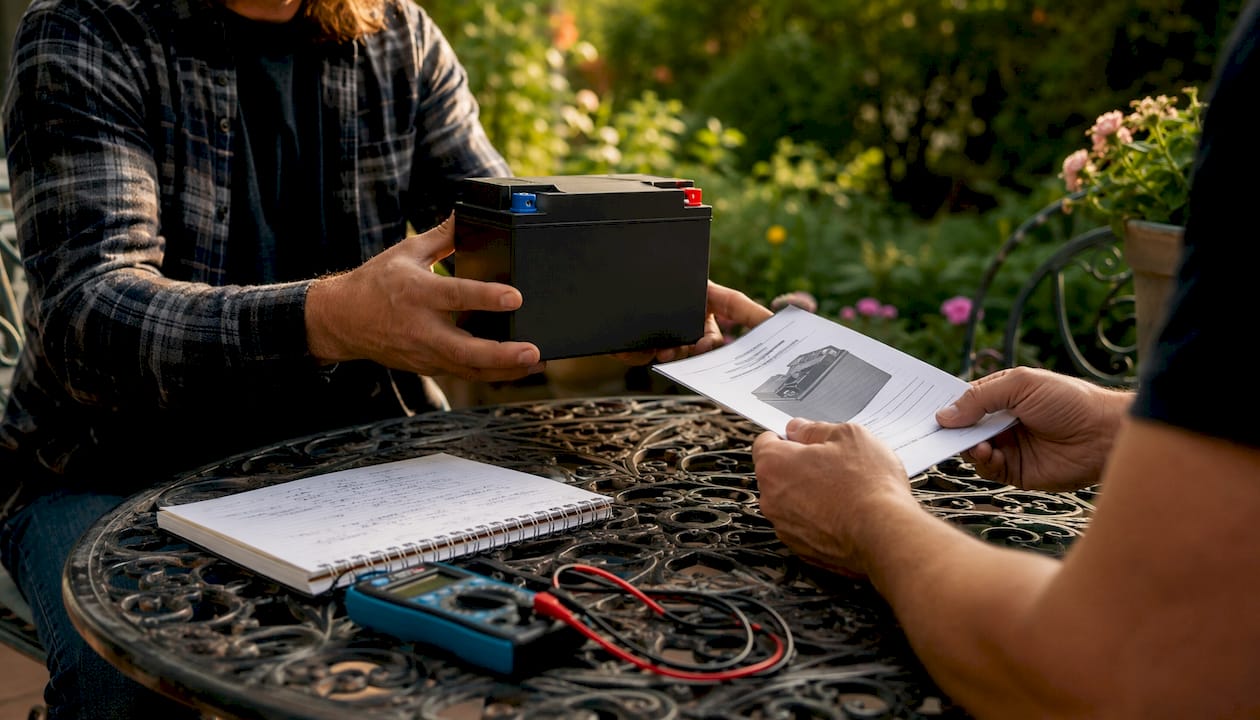
Run the required diagnostic tests. Warranty claims often require four voltage readings taken at different stages: resting voltage, voltage after a full charge, voltage under load, and voltage after load removal. These readings tell the manufacturer whether the battery failed due to a defect or due to misuse.
-
Submit your test data and product information. Send the voltage readings, battery model, serial number, and purchase proof to the manufacturer or retailer. Technical analysis typically takes 1 to 2 business days after submission.
-
Obtain a Return Authorization Number before shipping anything. Shipping a battery without authorization leads to refused deliveries. Batteries are heavy, and return shipping costs fall on you unless the warranty explicitly covers them.
-
Ship the battery according to the manufacturer’s guidelines. Lithium batteries carry specific shipping regulations. Follow them precisely or the shipment may be rejected or flagged.
The most common mistake at this stage is skipping the diagnostic step. Riders assume a dead battery is obviously defective. Manufacturers do not. They require data, and they have internal diagnostic tools that detect sulfation, parasitic draw damage, and overcharge events that basic voltage checks miss.
For a broader look at what to expect when buying and maintaining powersports batteries, the powersport battery buying guide from Bansheebatteries covers the key factors that affect both performance and warranty validity.
How does maintenance affect warranty validity?
Proper maintenance is not optional if you want your warranty to hold up. Battery warranty coverage duration does not equal service life. The warranty is a defect detection window. Your actual battery lifespan depends on how well you maintain it.
Routine charging is the single most important maintenance habit. Letting a battery sit discharged for weeks causes plate sulfation. Sulfation is detectable by manufacturers and classified as user neglect, which voids coverage. Use a compatible smart charger and keep the battery topped off during storage.
Maintenance practices that protect your warranty:
- Charge after every ride and before storage
- Use only a charger rated for your battery chemistry (AGM or LiFePO4)
- Store in a cool, dry location away from temperature extremes
- Check terminal connections for corrosion every 30 days
- Avoid deep discharge below the manufacturer’s minimum voltage threshold
Charging systems that push voltage above 15V or parasitic loads that drop voltage below 10.5V commonly void warranties. A faulty stator or a stuck relay on your bike can kill a battery and leave you with no coverage. Test your charging system voltage regularly with a multimeter.
Pro Tip: Keep a simple log of your charge dates and any voltage readings you take. If you ever file a claim, that log shows the manufacturer you maintained the battery properly.
What are the most common reasons warranty claims are denied?
Claim denial is more common than most riders expect. Knowing the reasons in advance lets you avoid them.
- Physical damage. Drops, crashes, and water immersion are visible to inspectors. No manufacturer covers these under a defect warranty.
- Charging system damage. Excessive voltage from a faulty charging system causes thermal runaway and internal damage. The manufacturer’s diagnostic tools identify this as abuse, not defect.
- Sulfation from prolonged discharge. Internal data loggers in some batteries detect whether a unit was left discharged for extended periods. Sulfation is treated as user neglect and disqualifies the claim.
- Insufficient diagnostic data. Submitting only a resting voltage reading is not enough. Claims that lack multi-stage voltage data are rejected outright.
- Missing Return Authorization. Sending a battery back without an authorization number results in a refused shipment. You lose the battery and the claim.
- Expired warranty period. Filing after the coverage window closes ends the claim immediately, regardless of the defect’s cause.
For more context on how warranty terms apply across different battery types, the role of warranty in powersports is a useful reference for understanding coverage expectations across vehicle categories.
Key Takeaways
A powersports battery warranty covers manufacturing defects only, not normal wear, and a denied claim almost always traces back to missing documentation, improper maintenance, or a misunderstood exclusion.
| Point | Details |
|---|---|
| Defect coverage only | Warranties cover factory defects and abnormal failures, not aging or user damage. |
| Full replacement beats prorated | Full replacement warranties provide a new battery at no charge; prorated plans make you pay a portion. |
| Diagnostic data is required | Submit four-stage voltage readings to support any claim or expect rejection. |
| Maintenance protects coverage | Sulfation, overcharge damage, and deep discharge void most warranties as user neglect. |
| Return Authorization is mandatory | Never ship a battery back without an authorization number or the shipment will be refused. |
What I’ve learned after years of watching warranty claims go wrong
Most riders treat a warranty like a safety net they will never need to think about. That mindset costs them. The owners who get the most out of their battery warranties are the ones who read the terms on day one, not the day something goes wrong.
The single biggest mistake I see is confusing warranty length with battery lifespan. A 3-year warranty does not mean the battery lasts 3 years. It means the manufacturer will cover defects for 3 years. A well-maintained AGM battery can run 4 to 6 years. A neglected one fails in 18 months and gets denied on the claim because sulfation tells the whole story.
My honest advice: prioritize full replacement coverage over prorated plans every time. The price difference at purchase is small. The difference when you file a claim is not. And document everything. A charge log, a voltage reading, a receipt. These take five minutes to keep and can be the difference between a free replacement and a $200 out-of-pocket expense.
Bansheebatteries’ 4-year AGM and 5-year lithium marine warranties reflect what a manufacturer with real confidence in its product looks like. When a company backs its batteries that far beyond the industry standard, the warranty terms are worth reading carefully because they are actually worth using.
— Donald
Bansheebatteries warranty coverage you can count on
Bansheebatteries has spent over 20 years building AGM and LiFePO4 batteries that hold up in the conditions powersports riders actually face. The warranty terms reflect that.
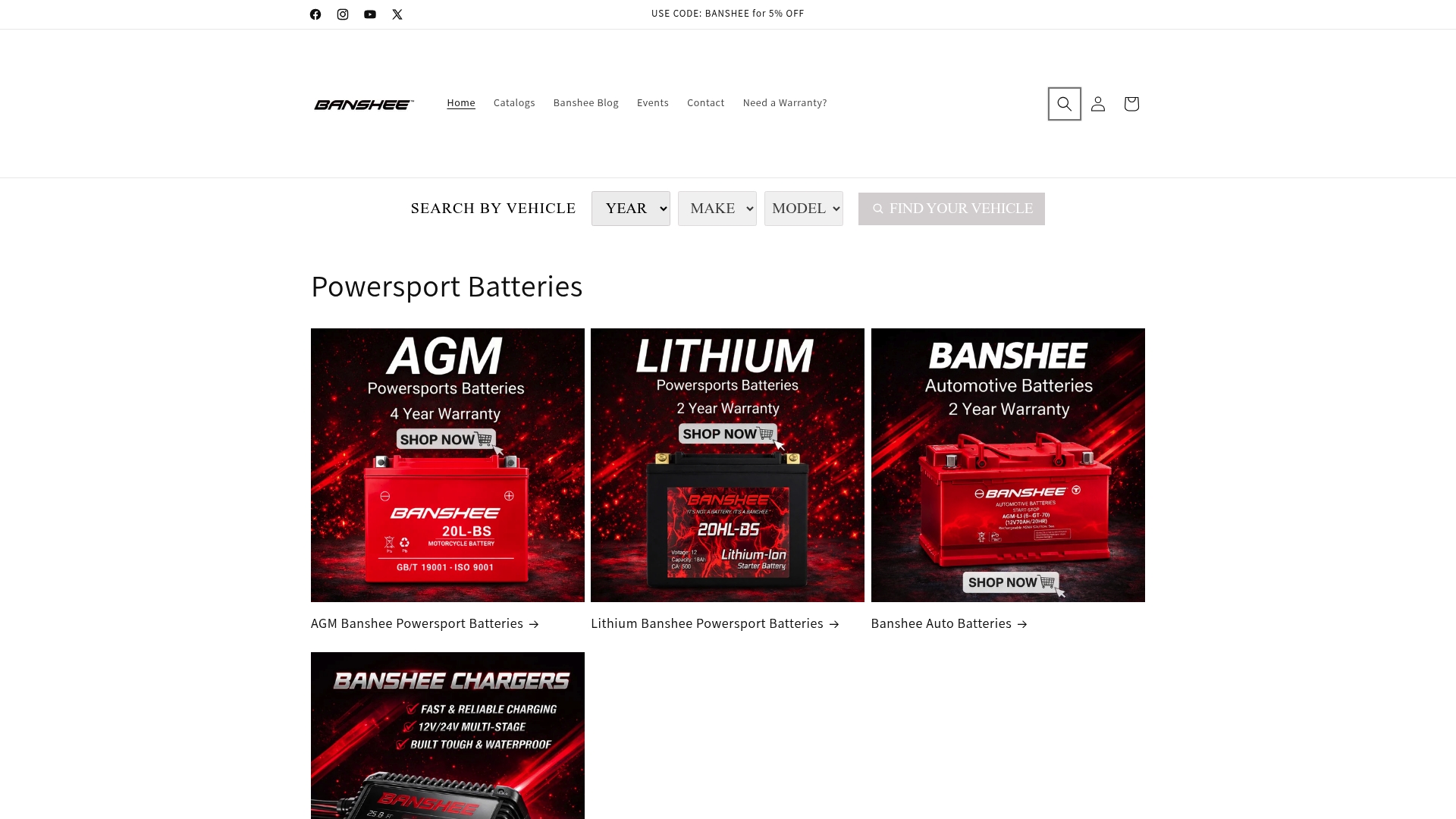
AGM batteries carry a 4-year warranty. Lithium marine batteries carry a 5-year warranty. Both exceed the 12 to 36-month industry standard by a wide margin. The customer support team guides you through the claim process directly, so you are not left guessing about voltage readings or return procedures. If you ride hard and need a battery that backs it up, the lithium powersports battery lineup is the place to start. For marine applications, the LiFePO4 marine battery range carries the same commitment to long-term reliability.
FAQ
What does a powersports battery warranty cover?
A powersports battery warranty covers manufacturing defects and abnormal performance failures within the stated coverage period. It does not cover normal aging, physical damage, overcharging, or user neglect.
How do I file a powersports battery warranty claim?
Gather your proof of purchase, run four-stage voltage diagnostic tests, and submit the results to the manufacturer before shipping anything. Always obtain a Return Authorization Number first or your shipment will be refused.
What voids a powersports battery warranty?
Physical damage, charging system faults that push voltage above 15V, prolonged discharge causing sulfation, and vehicle electrical modifications all void most powersports battery warranties.
What is the difference between a full replacement and a prorated warranty?
A full replacement warranty provides a new battery at no charge when a defect is confirmed. A prorated warranty offers a discount on a replacement based on how much time remains in the coverage period, meaning you pay a portion of the cost.
How long do powersports battery warranties typically last?
Standard powersports battery warranties run 12 to 36 months. Premium options extend to 10 years. Bansheebatteries offers 4 years on AGM batteries and 5 years on lithium marine batteries, both above the industry standard.