


Why Your Motorcycle Battery Dies in Winter
A motorcycle battery dies in winter primarily because cold temperatures slow the electrochemical reactions inside battery cells, cutting available cranking power while continuous self-discharge and parasitic electrical draws silently drain what little charge remains. The result is a dead battery on the first warm day you actually want to ride. Understanding the real causes of cold weather battery failure puts you in control of preventing it. Whether you run a lead-acid AGM or a lithium LiFePO4 unit, the same core threats apply, and the fixes are straightforward once you know what you’re dealing with.
Why motorcycle battery dies in winter: the chemistry behind cold failure
Cold temperatures reduce the rate of chemical reactions inside every battery cell. That slowdown directly cuts the power your battery can deliver on demand. At freezing temperatures, cranking power can drop by up to 50%. That means a battery that starts your bike easily in september may not have enough output to turn the engine over in january.
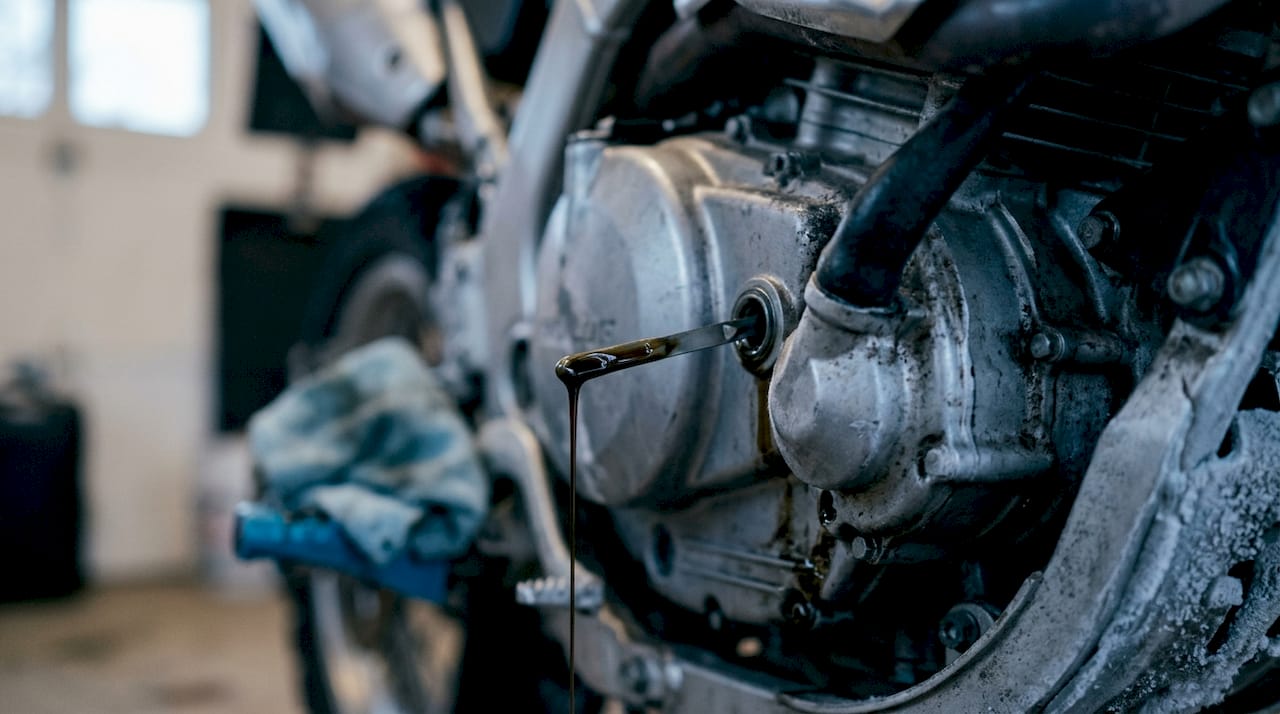
Cold also thickens engine oil. Thicker oil creates more resistance for the starter motor, which demands more current from an already weakened battery. The two problems compound each other at exactly the wrong moment.
Lead-acid vs. lithium in cold weather
Lead-acid AGM batteries lose capacity gradually as temperatures drop but remain chargeable in cold conditions. Lithium LiFePO4 batteries hold their charge better during storage, with self-discharge rates of just 1–2% per month compared to 3–5% per month for lead-acid. However, lithium chemistry has a critical vulnerability: it cannot safely accept a charge below 32°F. Understanding the AGM vs. LiFePO4 differences helps you choose the right storage and charging approach for your specific battery type.
- Lead-acid AGM: Loses capacity in cold, vulnerable to sulfation when discharged, chargeable in cold temps
- Lithium LiFePO4: Retains charge better in storage, but cannot be charged below 32°F without permanent damage
- Both types: Suffer from parasitic draw and self-discharge during extended winter storage
Pro Tip: Check your battery’s state of charge before temperatures drop below 40°F. A fully charged battery resists cold-weather capacity loss far better than one sitting at 70–80% charge.
How self-discharge and parasitic draw drain your battery
A motorcycle battery connected and unattended during winter typically fails within 2–4 weeks. Two forces drive that failure: natural self-discharge and parasitic electrical draw.
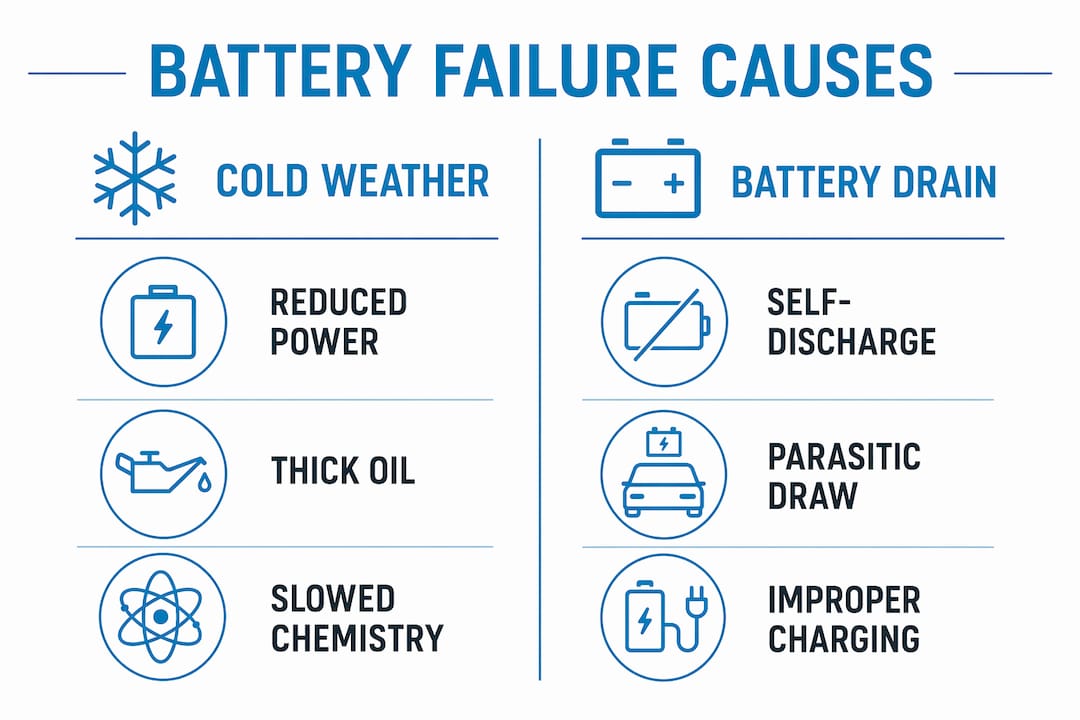
Self-discharge is unavoidable. Every battery loses charge over time simply by existing. Lead-acid batteries lose 3–5% of their charge per month. Lithium batteries lose 1–2%. Over a four-month winter, a lead-acid battery sitting untouched can lose 12–20% of its charge from self-discharge alone, before any other drain is factored in.
Parasitic draws from alarms, immobilizers, and GPS trackers compound the problem significantly. These devices pull small but continuous current even when the bike is off. A GPS tracker drawing 20 milliamps around the clock will drain a typical motorcycle battery completely in a matter of weeks. Riders who add aftermarket accessories should also check out wiring accessories without battery drain to minimize parasitic load from the start.
A lead-acid battery left in a discharged state for more than two weeks begins developing sulfation. Sulfation is the buildup of lead sulfate crystals on the battery plates. Once advanced, it is irreversible and permanently reduces battery capacity. No charger can fully undo severe sulfation. The only real solution is prevention.
Here is the sequence that kills most motorcycle batteries over winter:
- Rider parks the bike in october with a partially charged battery.
- Parasitic draw from an alarm or GPS pulls 20–30 milliamps continuously.
- Self-discharge adds another 3–5% loss per month.
- Within two to four weeks, voltage drops below the threshold where sulfation begins.
- By spring, the battery cannot hold a charge and needs replacement.
Common misconceptions about cold weather and charging risks
The most widespread myth about winter battery failure is that batteries freeze solid. Batteries do not freeze. Cold slows the internal chemical reactions and reduces output, but the battery itself does not turn to ice. Believing this myth leads riders to focus on insulation rather than charge management, which is the wrong priority.
The second dangerous misconception is that a quick winter start-up keeps the battery healthy. Short engine starts without riding for at least 15–20 minutes do more harm than good. The alternator does not have time to replenish the charge used during starting. Worse, a cold engine that does not reach operating temperature generates condensation inside the cylinders and exhaust, accelerating corrosion throughout the bike.
- Myth: Batteries freeze in winter. Fact: Cold slows chemistry; the battery does not physically freeze.
- Myth: Short starts maintain battery charge. Fact: Brief starts drain more than they restore and cause condensation damage.
- Myth: Any charger works for winter maintenance. Fact: Basic automotive chargers lack the float and desulfation modes needed for long-term storage.
- Myth: Lithium batteries are immune to winter problems. Fact: Lithium batteries cannot be charged below 32°F without causing permanent internal damage.
Pro Tip: If you must charge a lithium battery that has been sitting in a cold garage, bring it indoors and let it warm to at least 40°F before connecting any charger. Charging a cold lithium cell below freezing causes internal plating that permanently reduces capacity.
Effective winter motorcycle battery maintenance and storage
Preventing battery failure is more about managing storage conditions and preventing discharge than any other single factor. The right approach depends on whether you leave the battery in the bike or remove it for the season.
Leaving the battery in the bike
If you store the bike in a garage and want to leave the battery connected, a smart battery maintainer is the correct tool. Smart chargers typically output 0.8–1 Amp and cycle through bulk, absorption, and float modes automatically. They prevent overcharging and counteract self-discharge without any manual intervention. Basic automotive chargers do not have these modes and will overcharge or undercharge a battery left connected for months.
Battery maintainers with desulfation or reconditioning modes can restore partial capacity in lead-acid batteries that have already begun to sulfate. This feature is absent from basic chargers. For AGM batteries specifically, proper AGM battery maintenance protocols call for clean terminals and a verified full charge before connecting any maintainer.
Removing the battery for indoor storage
Removing the battery is the most reliable winter storage method. Follow this sequence:
- Fully charge the battery before removal.
- Store indoors in a dry location above 50°F, away from concrete floors.
- Check voltage monthly with a multimeter.
- Recharge immediately if voltage drops below 13.0V for a 12V lead-acid battery.
- For lithium batteries, follow the specific LiFePO4 storage guidelines to preserve cell health.
| Factor | Lead-acid AGM | Lithium LiFePO4 |
|---|---|---|
| Self-discharge rate | 3–5% per month | 1–2% per month |
| Chargeable below 32°F | Yes | No |
| Sulfation risk | High when discharged | None |
| Recommended storage temp | Above 50°F | Above 32°F |
| Maintainer type needed | Smart AGM-compatible | Lithium-specific charger |
A fully charged and well-maintained battery resists sulfation and parasitic drain better than one stored at partial charge. The single most effective thing you can do before winter is charge the battery to 100% before the bike goes into storage.
Key Takeaways
Cold temperatures, self-discharge, and parasitic draw combine to kill motorcycle batteries in winter, and a fully charged battery stored above 50°F with a smart maintainer prevents all three threats.
| Point | Details |
|---|---|
| Cold cuts cranking power | Freezing temperatures can reduce battery cranking power by up to 50%. |
| Self-discharge drains charge | Lead-acid batteries lose 3–5% per month; lithium loses 1–2% per month during storage. |
| Parasitic draw accelerates failure | Alarms and GPS trackers can fully drain a battery within 2–4 weeks. |
| Lithium batteries need warmth to charge | Never charge a lithium battery below 32°F or permanent cell damage results. |
| Smart maintainers prevent sulfation | Use a smart charger with float and desulfation modes for any battery left connected over winter. |
What I’ve learned from watching riders lose batteries every spring
Every spring, the same story plays out. A rider pulls the cover off their bike, turns the key, and gets nothing. Nine times out of ten, the battery was never the problem in october. It was fine when the bike went into storage. What killed it was three months of neglect.
The mistake I see most often is the “quick start” habit. Riders think cranking the engine for five minutes every few weeks keeps the battery alive. It does the opposite. The starter pulls a heavy current load, the alternator barely spins up before the engine shuts off, and the net result is a battery that ends each “maintenance start” slightly more depleted than before. Add condensation damage to the engine internals, and you’ve turned a good-faith effort into a real problem.
The second mistake is using the wrong charger. A basic automotive charger left connected for four months will either overcharge and damage the battery or cut off too early and leave it undercharged. Neither outcome is acceptable. A quality smart maintainer with automatic float mode costs less than a replacement battery and pays for itself the first winter you use it.
My honest recommendation: pull the battery out, bring it inside, charge it fully, and check it once a month. If you’d rather leave it connected, invest in a proper smart maintainer rated for your battery chemistry. Lithium and AGM batteries need different charger profiles. Using the wrong one shortens battery life even when the charger appears to be working correctly.
Proactive maintenance before the cold sets in is always cheaper than a replacement battery in april.
— Donald
Bansheebatteries has the batteries and chargers for winter
Winter is the real test of a motorcycle battery’s quality. Bansheebatteries designs its AGM and LiFePO4 batteries specifically for powersports riders who need reliable performance in demanding conditions, including extended cold-weather storage.
The Banshee lithium motorcycle battery line is built for low self-discharge and long storage life, making it a strong choice for riders who park their bikes for the season. Pair it with the Bansheebatteries smart 10-amp charger to maintain optimal charge through the coldest months. Both products carry industry-leading warranties, so your investment is protected well beyond the first riding season.
FAQ
Why does a motorcycle battery die in winter even when not used?
Natural self-discharge and parasitic draws from accessories like alarms and GPS trackers continuously drain the battery. Lead-acid batteries can lose 3–5% of charge per month and begin sulfating within two weeks of falling below a healthy voltage.
Can a motorcycle battery freeze in cold weather?
Batteries do not freeze. Cold temperatures slow the internal chemical reactions and reduce cranking power by up to 50%, but the battery itself does not turn to ice.
Is it safe to charge a lithium motorcycle battery in a cold garage?
Charging a lithium LiFePO4 battery below 32°F causes permanent internal damage. Bring the battery indoors and let it warm to at least 40°F before connecting a charger.
How often should I check my motorcycle battery during winter storage?
Check voltage monthly with a multimeter. Recharge immediately if the voltage on a 12V lead-acid battery drops below 13.0V to prevent sulfation from developing.
Do short engine starts help maintain battery charge in winter?
Short starts do more harm than good. The alternator needs at least 15–20 minutes of riding to replenish the charge used during starting, and brief cold starts generate condensation that accelerates corrosion inside the engine.