


Expert Fit Advice: Jet Ski Battery Sizes 16L, 20L, 30L
Most jet skis run on 12V batteries in one of three common families: 16L, 20L, or 30L, roughly corresponding to YB/YTX/ETX part codes. To confirm the exact fit, check your owner’s manual or measure the battery compartment and existing terminal layout before you buy. If you’re switching from AGM to lithium (LiFePO4), verify your charging system supports that chemistry before installing.
TL;DR:
- Most jet skis use 12V batteries from the 16L, 20L, or 30L family, with size and terminal position needing confirmation through measurements or OEM labels.
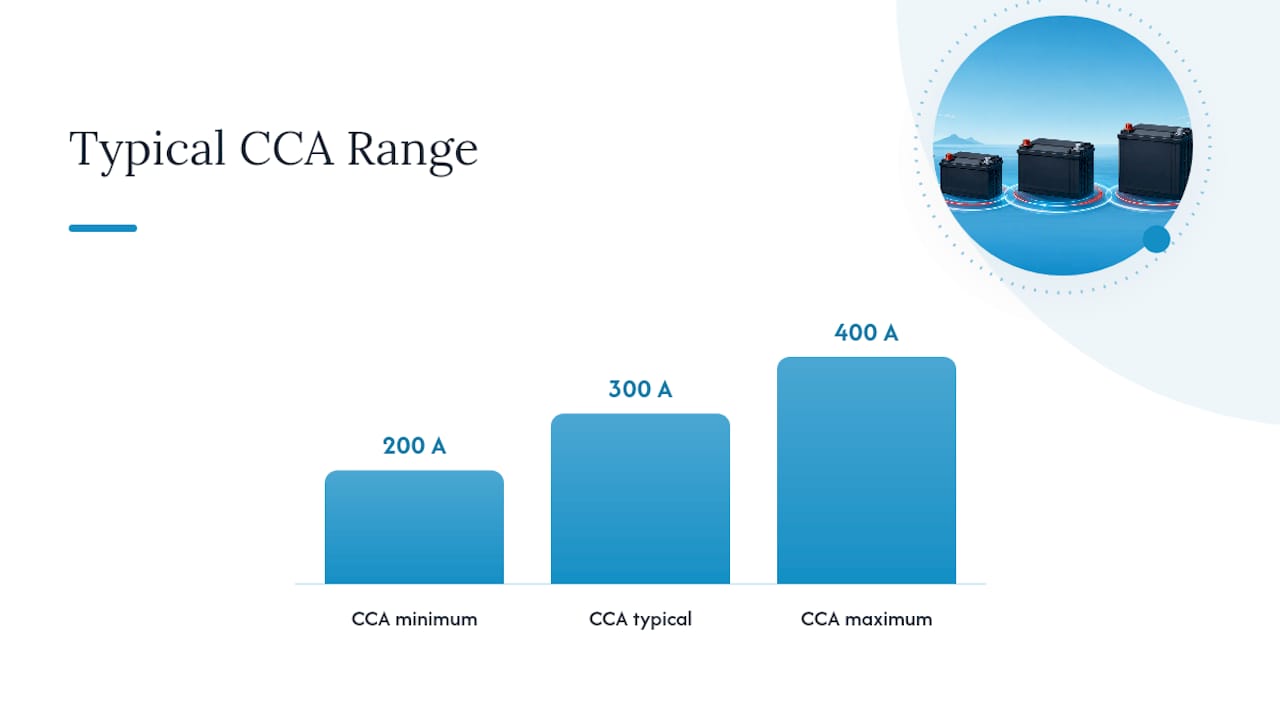
- Matching CCA ratings to OEM specifications is critical for reliable starting, with typical jet ski needs between 200 and 400 CCA, and higher Ah providing longer accessory runtime.
- Yamaha, Sea-Doo, and Kawasaki models generally fit certain battery sizes but vary by year and engine output, making direct measurement or OEM part numbers essential before purchasing.
- AGM batteries are recommended for simplicity and compatibility, while lithium batteries are lighter and last longer but require a compatible charging system and careful fitment checks.
- Proper installation, including secure hold-downs and correct terminal orientation, is vital to prevent damage or performance issues during rough water use.
Table of Contents
- What Jet Ski Battery Size Fits Your Compartment?
- Why Do CCA and Ah Ratings Matter for Starting Power?
- Which Battery Size Fits Yamaha, Sea-Doo, and Kawasaki Models?
- AGM or Lithium: Which Battery Chemistry Should You Choose?
- How Do You Measure and Install a Replacement Battery?
- Why Trust Banshee Batteries for Fitment and Warranty Support?
- A Practical Take on Sizing Priorities
- Where to Buy the Right Jet Ski Battery
- Sources
- FAQ
What Jet Ski Battery Size Fits Your Compartment?
Battery size codes look cryptic until you see the pattern. A “16L” battery typically means a compact case around 5.2 x 3.4 x 5.1 inches, common on smaller Yamaha and older Sea-Doo models. “20L” batteries (often labeled YTX20L-BS) run larger, closer to 6.9 x 3.4 x 6.1 inches, and show up across Sea-Doo and Kawasaki lineups. “30L” batteries are the biggest of the trio, used on higher-output engines that draw more current at startup. The “L” suffix generally signals a sealed, maintenance-free case, as opposed to older vented designs.
Matching the code isn’t enough on its own. You need to confirm the physical footprint, terminal position (left or right post), and whether your compartment uses a factory hold-down bracket or foam spacer.
Before ordering, run through this:
- Measure length, width, and height of the old battery, not just the compartment.
- Note which terminal sits closest to the existing cable ends.
- Check whether a shorter replacement will need a spacer block to stay snug in the cage.
- Compare your measurements against the manufacturer’s published dimensions before checkout.
Getting this wrong by even half an inch means a battery that rattles loose on rough water, which is worse than a slow crank.
Why Do CCA and Ah Ratings Matter for Starting Power?
Voltage is the easy part. Nearly every jet ski on the water runs a 12V system, so mismatched voltage is rarely the mistake owners make. The real risk hides in Cold Cranking Amps (CCA) and amp-hours (Ah).
CCA measures how much current the battery can deliver to spin the starter, and it’s the single biggest factor in whether your engine fires on the first try. Typical jet skis call for a CCA range between roughly 200 and 400, depending on engine compression and displacement, and going with a battery that undershoots the OEM spec is a common cause of no-start complaints on high-compression engines. Amp-hour rating, meanwhile, governs how long the battery can run accessories, like a stereo or bilge pump, before it needs the engine running to recharge.
- Most jet ski batteries fall in the 12V, 16 to 24 Ah range.
- Higher Ah generally means more weight, so don’t oversize just because a bigger number sounds safer.
- Some sellers list MCA instead of CCA; as a rough guide, MCA typically runs about 20 to 25 percent higher than CCA for the same battery.
Pro Tip: When in doubt, match or slightly exceed the OEM CCA rating rather than the Ah rating. A weak crank at launch is a bigger problem than a slightly shorter accessory runtime.
Which Battery Size Fits Yamaha, Sea-Doo, and Kawasaki Models?
Model-based clues get you close fast, but they’re a starting point, not a final answer. Yamaha WaveRunners commonly land in the 16L family across a wide range of years, though Yamaha fitment charts show exceptions on higher-output models. Sea-Doo is trickier: the Spark line has used YTX20L-BS batteries in certain years, while older or smaller Sea-Doo models sometimes drop to the 16L family, and larger models step up to 30L. Kawasaki Jet Ski models most often sit in the 20L range, though displacement and model year shift that too.
Why the inconsistency? Manufacturers have swapped battery sizes across model years as they moved from vented lead-acid designs to sealed AGM units, and some of those AGM replacements sit shorter in the case than the originals, which is why spacers show up so often in fitment guides.
Three ways to confirm your exact size before buying:
- Pull the number straight off the OEM part sticker on the old battery.
- Check the battery fitment chart in your owner’s manual by model year, not just model name.
- Remove the old unit and measure it directly, including terminal orientation, if the sticker has worn off.
None of this takes more than a few minutes, and it beats the cost of shipping back a battery that doesn’t seat right.
AGM or Lithium: Which Battery Chemistry Should You Choose?
AGM batteries remain the safer default for most owners. They’re widely available, cost less upfront, drop into OEM-shaped compartments without modification, and work with nearly any charger you already own. Lithium (LiFePO4) batteries flip the equation on weight and longevity: they run dramatically lighter than lead-acid equivalents, hold a longer cycle life, and often include a built-in battery management system for cell protection. A compact lithium powersport battery rated around 300 CCA can weigh a fraction of a comparable AGM unit while fitting into a similarly sized case.
The catch: not every stock charging system plays nicely with lithium’s voltage curve, so confirm your craft’s charging output matches the battery’s requirements before you commit.
- Choose AGM if you want simple, drop-in reliability with no charger changes.
- Choose lithium if shaving weight matters for performance riding or if the boat sits in storage for months at a time.
- Always double-check terminal spacing and hold-down fit when switching chemistries, since case dimensions can shift slightly between brands.
Pro Tip: If you store your jet ski over winter, lithium’s slower self-discharge rate means less babysitting on the trickle charger.
How Do You Measure and Install a Replacement Battery?
Getting the swap right takes about fifteen minutes if you follow the sequence in order:
- Disconnect the negative terminal first, then the positive, to avoid an accidental short across tools.
- Remove the hold-down bracket or strap and lift the old battery straight out.
- Measure the compartment’s length, width, and height, and note which side the terminals sit on.
- Test-fit the new battery, adding a foam spacer if it sits loose in any direction.
- Reconnect positive first, then negative, and torque terminal bolts to snug, not overtightened.
- Secure the hold-down so the battery can’t shift under wave impact.
- Confirm your charger’s settings match the new battery’s chemistry before the first charge cycle.
- Recycle the old battery through a certified drop-off rather than the trash.
Skipping the hold-down step is the most common mistake. A battery that shifts even slightly during hard turns can crack a terminal post or short against the compartment wall.
Why Trust Banshee Batteries for Fitment and Warranty Support?
Banshee Batteries has spent more than 20 years building AGM and lithium batteries for powersport and marine use, which means the fitment guidance behind each product listing comes from real cross-referencing against OEM dimensions, not guesswork. Every product page lists CCA, Ah, and case dimensions side by side, so you can compare against your measurements before ordering rather than after.
- Check the listed CCA and Ah figures against your model’s owner’s manual before purchase.
- Use the dimension specs on each product page to confirm the battery clears your compartment and hold-down.
- Reach out to support if terminal orientation or spacer needs aren’t obvious from the listing.
- AGM units carry a 4-year warranty; lithium marine batteries carry a 5-year warranty, giving you a longer runway if a cell degrades early.
A Practical Take on Sizing Priorities
For most weekend riders, matching OEM CCA and case dimensions beats chasing a lighter or trendier battery. Performance riders chasing weight savings should lean lithium, but only after confirming charger compatibility and warranty terms. Fit first, upgrade second.
— Donald
Where to Buy the Right Jet Ski Battery
Once you know your size and spec targets, the shopping part should be the easy half. Banshee Batteries is built specifically for that gap between guessing and buying: every AGM and Lithium (LiFePO4) listing shows CCA, Ah, and case dimensions on the same page, so you’re comparing real numbers instead of hoping a generic label fits.
The full lineup covers AGM and lithium powersport batteries, lithium marine batteries for owners upgrading from lead-acid, and chargers built to match the right charging profile for your battery’s charger and 5-bay setup. AGM batteries carry a 4-year warranty, and lithium marine batteries carry a 5-year warranty, both longer than most stock replacement batteries on the market. If you’re not sure which size or chemistry fits your model, browse the product pages for your exact dimensions and CCA specs, or reach out to support before you check out.
Sources
Cross-check your owner’s manual against these for dimensions, CCA/Ah, and fitment: PoweringAutos sizing guide, ShunAuto capacity guide, and jet ski operation basics.
FAQ
Are Jet Ski Batteries 12V or 6V?
Jet skis almost universally run on 12V batteries, not 6V. The 6V setups you might see referenced online typically belong to older golf carts or small utility equipment, not personal watercraft.
What Is the Best Battery for a Sea-Doo Jet Ski?
The right battery depends on your Spark, GTI, or RXP model year, since Sea-Doo has used YTX20L-BS and other sizes across different years. Check your owner’s manual for the exact code, then choose an AGM battery for drop-in reliability or a lithium option like those from Banshee Batteries if weight savings matter more to you.
What Type of Battery Does a Yamaha WaveRunner Require?
Most Yamaha WaveRunners use a sealed 12V AGM battery in the 16L size family, though this varies by model year. Confirm the exact part number on your Yamaha fitment chart or the sticker on your old battery before ordering.
What Battery Size Is Standard in a Sea-Doo?
There’s no single standard size across all Sea-Doo models, since fitment shifts by year and engine output between the 16L, 20L, and 30L families. Measuring your compartment or matching the OEM part sticker remains the most reliable way to confirm which size your specific Sea-Doo needs.